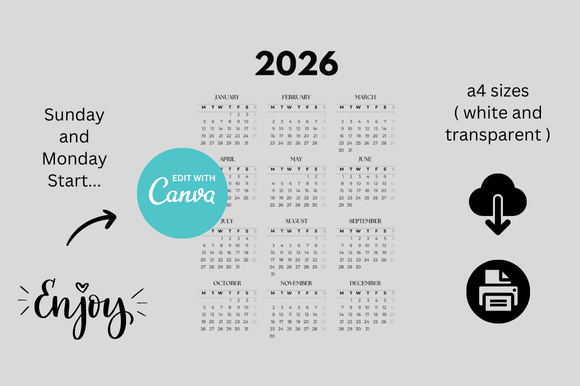
2026 Calendar Canva Editable: Your Ultimate Design Shortcut
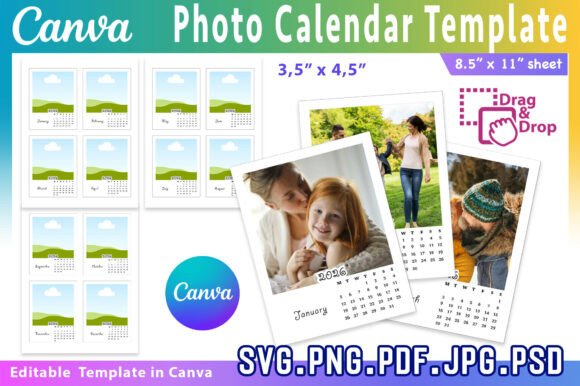
There’s a particular kind of frustration that hits when you realize you need to plan ahead, but the tools you have are either clunky, overly complex, or simply not ready. You know the feeling—you’re staring at a blank screen, needing a 2026 calendar for a client project, a product launch, or your own personal organization, and the thought of building one from scratch feels like a monumental task. This is where a smart, editable template changes everything. The 2026 Calendar Canva Editable isn't just a digital file; it's a strategic starting point, a pre-built foundation designed to get you from concept to finished product in a fraction of the time. It’s for the entrepreneur who needs branded planning materials yesterday, the blogger creating a content calendar, or the small business owner setting up a promotional schedule.
More Than a Template: A Flexible Design System
At its core, this editable Canva template is built on the principle of effortless customization. Think of it as a premium font for your entire calendar layout—a complete typeface of design elements that work in harmony. The visual character is intentionally clean and modern, avoiding overly decorative styles that might clash with your existing brand identity. Its strength lies in its neutrality and professionalism, making it a versatile design asset. The aesthetic leans towards contemporary modern typography, with clear hierarchies that guide the eye from month to week to day without confusion. This isn't about flashy trends; it's about functional, elegant editorial design that serves a clear purpose.
The real personality emerges through your customization. The template provides the skeleton—a balanced grid, logical spacing, and thoughtful placeholder text—but you inject the soul. You can apply your brand's specific serif font for a traditional, authoritative feel, or swap in a friendly sans serif font for a clean, approachable look. Want to add a personal touch for a handmade product line? Integrate a handwritten font or a subtle script font for headers. This flexibility transforms it from a generic calendar into a core component of your brand identity. It becomes a creative font system for your planning, ensuring consistency across every touchpoint, from a web design schedule to printed marketing materials.
Strategic Applications for Professionals and Creatives
Understanding where this asset excels helps you leverage it fully. For graphic designers and agencies, it’s a rapid prototyping tool. You can mock up a year-long social media plan for a client presentation in minutes, not hours. The drag-and-drop Canva interface means you can collaborate with clients in real-time, adjusting colors and fonts to match their exact specifications without needing advanced software. For marketers and content creators, it’s the backbone of a cohesive content strategy. Map out blog posts, email campaigns, and product launches visually. Export specific months as social media graphics to tease upcoming events, creating a consistent visual thread that your audience learns to recognize.
Small business owners and entrepreneurs will find it invaluable for operational planning. Create a staff schedule, a project timeline for a new product, or a seasonal sales calendar. The ability to quickly generate a clean, professional-looking document enhances internal communication and projects an image of organization and competence. For those in packaging design or selling physical products, use the template to plan production cycles and inventory needs. The simplicity of the format—easily printable—bridges the digital and physical worlds seamlessly. Even for personal use, the value is clear. Design a family activity planner, a fitness tracker, or a goal-setting journal. The process of filling it out becomes part of the ritual, making planning feel less like a chore and more like a creative act.
Making It Work: Practical Guidance and Best Practices
Getting the most out of your 2026 Calendar Canva Editable involves a few thoughtful steps. First, choose your font pairings with intention. If the template uses a neutral base, select one primary font for headers that reflects your brand’s voice—perhaps a bold display font for impact—and a highly legible sans serif font for body text and dates. Test these pairings within the actual calendar layout. Readability is paramount; ensure there’s sufficient contrast between text and background, especially for smaller date numbers.
Next, consider the visual hierarchy. The template’s grid does much of the work, but you can enhance it. Use color blocks or subtle background tints to differentiate months or highlight quarters. Adjust the weight and size of your chosen fonts to create clear layers of information: the month is the most prominent, followed by the week number or day name, then the actual dates. This guides the user’s eye effortlessly, which is the hallmark of good editorial design.
Finally, think about the output. Will this be primarily a digital file shared via PDF, or will it be printed? For digital use, optimize for screen viewing. For print, consider how colors will reproduce and ensure your font choices are licensed for commercial use if you’re selling the final product. The beauty of a Canva template is that you can create multiple versions from one master file—a vibrant, colorful version for your Instagram audience and a minimalist, black-and-white version for printing at home. It’s a single design asset that fuels multiple outputs, saving you time and ensuring brand consistency across all your projects, from logo design explorations to the final social media graphics that populate your feed.