Faux Embroidery Canva Frame Letters: A Crafter's Best Friend
There's a specific kind of magic in the look of hand-stitched embroidery. It speaks of patience, care, and a personal touch that digital fonts often struggle to replicate. Yet, creating that effect from scratch is time-consuming, especially when you're juggling multiple design projects. This is where a tool like Faux Embroidery Canva Frame Letters_34 changes the game. It’s not a traditional font file you install, but rather a set of custom, editable Canva templates designed to give you that authentic, textured embroidery look with incredible speed and flexibility.
The Handcrafted Charm of Stitched Lettering
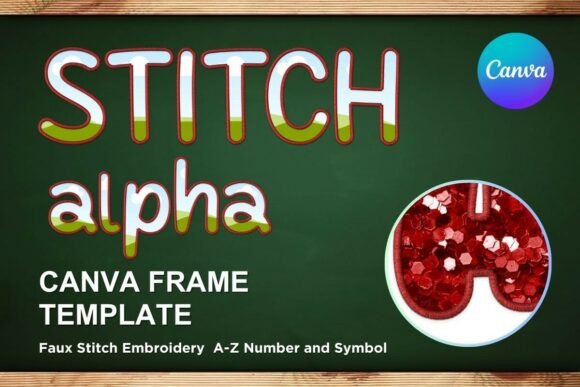
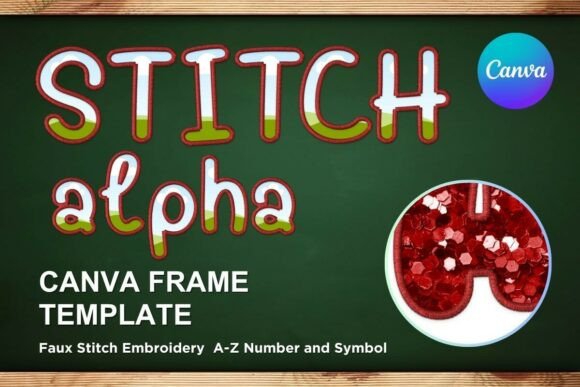
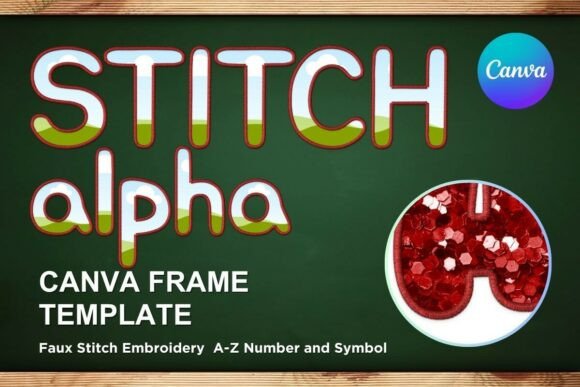
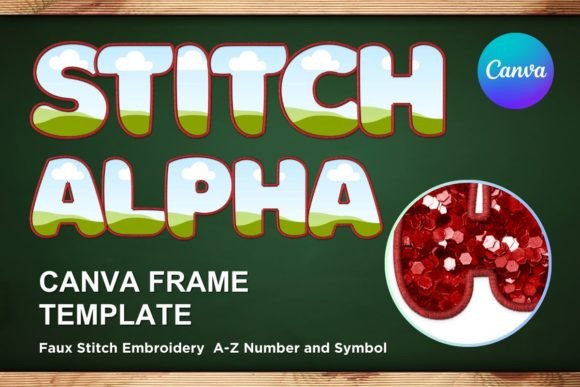
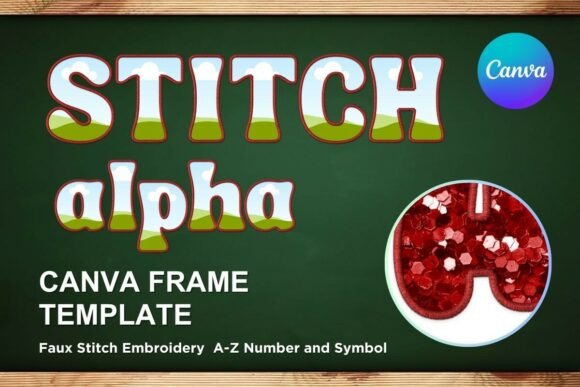
Visually, this template set captures the essence of cross-stitch and embroidery with remarkable detail. The letters have a distinct, woven texture that mimics the appearance of thread on fabric. You’ll notice the slight irregularities and the dimensional quality that make it feel genuinely handcrafted. The personality of Faux Embroidery Canva Frame Letters_34 is warm, nostalgic, and inviting. It carries a rustic yet refined style, perfect for projects that need to feel personal, artisanal, or connected to traditional crafts. The overall appeal lies in its ability to add instant character and tactile depth to digital designs, bridging the gap between handcraft and modern graphic design.
Because these are editable Canva frames, you have direct control over the final product. You can easily change the fill color of the "thread," adjust the size without losing quality, and place the letters over any background within Canva’s editor. This makes it a versatile design asset for anyone, from professional designers to hobbyists, who wants to inject a dose of handmade charm into their work without needing advanced software skills.
Where This Template Truly Shines
The applications for a creative font style like this are surprisingly broad. In brand identity, it’s a natural fit for businesses in the crafting, boutique, home decor, or artisanal food spaces. Imagine using it for a logo for a yarn shop, a bakery logo on a rustic menu, or branding for a handmade soap company. The texture immediately communicates a brand story centered on quality and care.
For editorial design and publishing, it can add a charming header to a blog post about DIY projects, create standout chapter titles in a craft e-book, or design engaging social media graphics for a publisher promoting a heartwarming novel. The letters work beautifully for packaging design—think gift tags, product labels for homemade jams, or the title on a pattern envelope. In web design, it can be used sparingly for special announcement banners or featured product titles to draw the eye and create a focal point with a handmade feel.
Personal projects are where it can really sing. Use it to create custom monograms for wedding stationery, design unique family name art for your home, or craft personalized headers for a scrapbook digital project. For content creators and bloggers, it’s a fantastic tool for creating Pinterest pins, Instagram story graphics, or YouTube thumbnails that stand out in a feed with a distinct, tactile aesthetic.
Making It Work: Practical Design Guidance
Choosing and using any premium font or template requires a bit of strategy. First, evaluate if the project’s tone is a match. The embroidery style is inherently casual, personal, and detailed. It might not be the best choice for a corporate financial report, but it’s perfect for a wedding invitation or a craft workshop flyer.
When it comes to font pairing, balance is key. The high texture and detail of the faux embroidery letters mean they function best as a display font for headlines, titles, or short phrases. Pair them with a clean, simple sans serif font for body text to ensure readability. A classic like Open Sans or Lato provides a modern, neutral counterpoint that lets the embroidered letters be the star without causing visual chaos. Avoid pairing it with other highly decorative or script fonts, as this can quickly make a design feel cluttered and overwhelming.
Readability is a crucial consideration. While the texture adds charm, it can reduce clarity at very small sizes. Use these letters for larger text elements where the stitch effect can be appreciated. Always do a quick test: view your design at the intended size (e.g., as a social media post on your phone) to ensure the letters are still legible. The beauty of the Canva template is that you can instantly adjust the size to find the sweet spot.
Remember, you are receiving a link to an editable Canva template, not a PNG or SVG file. This is its greatest strength for most users. It means zero compatibility issues and an intuitive drag-and-drop workflow. You can create your own unique sublimation letters or graphics directly in your browser. The 12x12 inch paper size is a standard for many crafting projects, and the ability to scale it up or down provides flexibility for various outputs, from small stickers to large posters.
In the end, Faux Embroidery Canva Frame Letters_34 is more than just a typeface alternative; it’s a shortcut to a specific, beloved aesthetic. It empowers creators to produce designs that feel personal and professionally crafted, saving hours of manual work. By understanding its strengths and pairing it thoughtfully, you can leverage this tool to enhance your visual hierarchy, strengthen your brand’s storytelling, and engage your audience with designs that feel both authentic and beautifully made.